

The One Skill AI Hasn't Taken Yet
Payment integration is one of those areas where companies still insist on human-written, human-reviewed code. Banks, fraud detection systems, PCI compliance requirements, and webhook reliability all demand a level of accountability that goes beyond generating working syntax. When real transactions are on the line, engineering teams want someone who understands every line and can explain why it's there.
For junior developers, that's a genuine opening. While AI tools have made significant inroads into frontend scaffolding, boilerplate APIs, and basic debugging, payment systems remain largely off-limits for automated generation not because the code is impossibly complex, but because the consequences of errors are immediate and financial.
What Exactly Is Payment Integration?
Payment integration is the process of adding code to a website or app that lets customers complete purchases. A typical flow involves four components. A frontend form where the user enters card details, a payment processor like Stripe or PayPal, a backend server that handles the transaction logic, and webhooks that confirm payment status. The processor handles all sensitive card data.
Which Payment System Should a Beginner Learn First?
Start with Stripe. It has the clearest documentation of any major processor, a free test environment with fake card numbers, and client libraries for most programming languages. PayPal, Braintree, Adyen, and Square are all production-grade options used by large companies, but none of them offer the same onboarding experience for someone learning from scratch.
A Practical Path
The most common mistake beginners make is jumping straight into code. Before writing a single line, spend a few hours reading Stripe's "How payments work" documentation. Understanding the difference between authorization, capture, and refund and knowing what a webhook actually does.
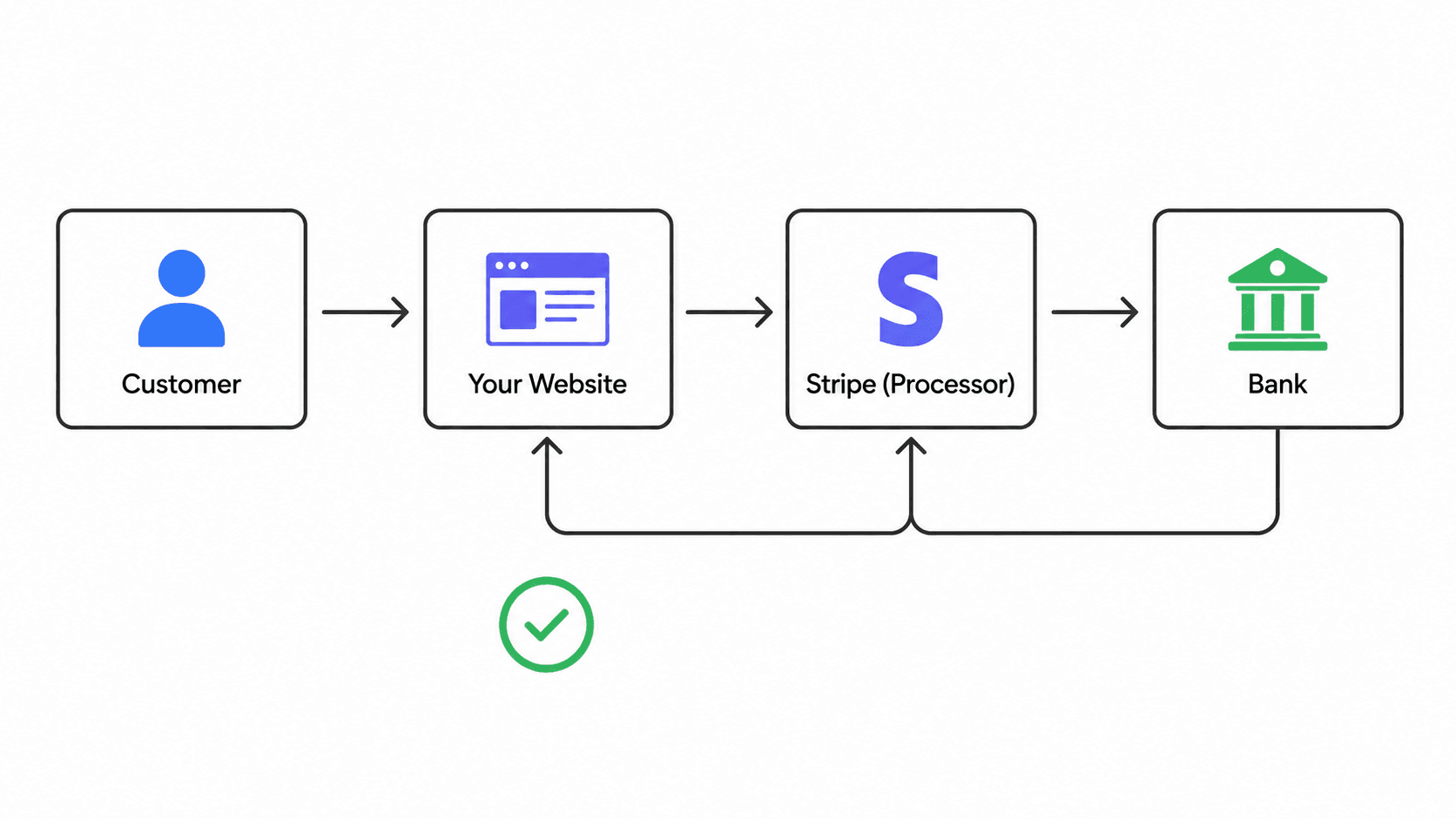
Once that foundation is in place, set up a local test environment. Create a free Stripe account, install the Stripe CLI, and run Stripe's sample checkout code on a basic Node.js or Python server.
Webhooks are where most beginners hit their first real wall. After a payment completes, Stripe sends a notification to your server confirming the transaction. That webhook needs to be verified and then used to update the order in your database.
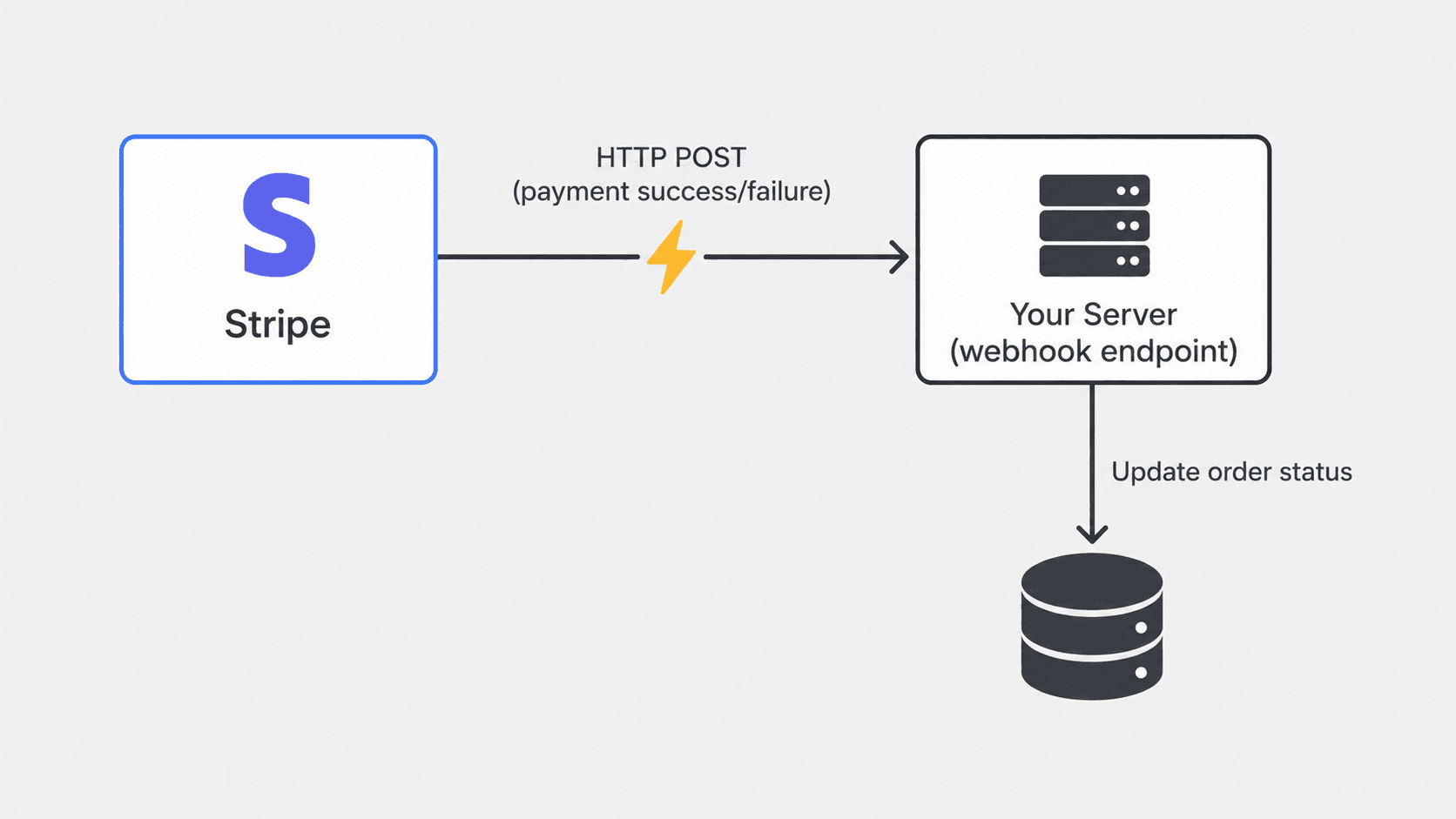
Next layer is failure handling and this is where integration work becomes genuinely interesting. Payments fail, get flagged for fraud, and occasionally sit in ambiguous states. Writing code that handles charge.failed events, surfaces stuck orders in an admin view, and accounts for chargebacks requires explicit business logic.
Why Companies Still Require Human Oversight
The primary reason is liability. A missed idempotency key can result in a customer being charged twice. A mishandled webhook retry can leave an order in a broken state. These aren't hypothetical edge cases they happen and the financial and reputational cost is real.
PCI compliance also involves legal requirements that need deliberate implementation, not generated boilerplate. AI tools can accelerate the routine parts of payment code, but error handling, fraud logic, and security review remain human responsibilities.
Payment integration is not the flashiest skill, but it is one of the most reliable ways to stand out as a developer who builds things that actually handle real money. AI can write a checkout button, but it cannot yet manage the complexity of webhooks, retries, fraud signals, and compliance.
Read more

10 Powerful Chrome Extensions for SEO in 2026 - Tools Every Marketer and Developer Should Know
Looking for powerful SEO tools for Chrome? Discover the best Chrome extensions for SEO analysis, keyword research, technical audits, and competitor tracking - handpicked for 2026.
Next.js Sitemap Guide 2026: Fix Indexing Issues & Build Scalable SEO Architecture
Google discovers your sitemap but pages stay 'Discovered - currently not indexed'. Learn how to implement paginated sitemaps with Next.js for large sites.
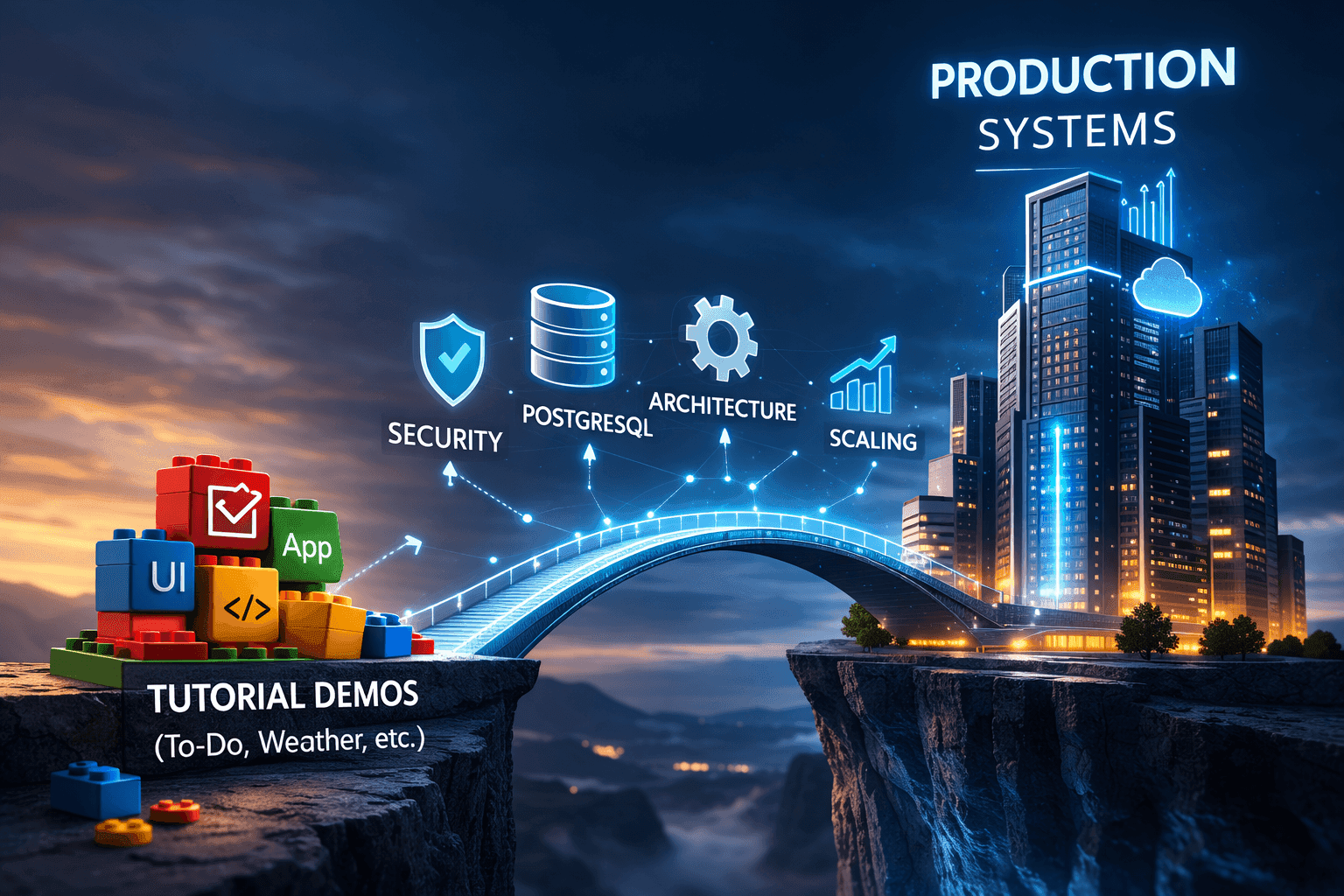
What Is a Modern Developer Stack in 2026?: A Practical Guide to Building Real Production Systems
Many tutorials teach modern web stacks through simple demo projects, but real production systems require deeper understanding. This guide explains the practical skills developers need to build secure, scalable applications using Next.js, APIs, authentication, databases, and modern web architecture.