
What's Happening with Apple's Foldable iPhone?
Leaks are everywhere again. But this time, it is not another incremental upgrade. Apple is finally doing something it has never done before a foldable iPhone. Engineers inside Cupertino have been testing clamshell designs for years, and supply chain sources are now confirming that mass production is scheduled for late 2026. This is not a rumor anymore.
This is a countdown. The device, unofficially called iPhone Flip or Foldable iPhone, is expected to launch alongside or right after the iPhone 18. And if the leaks are accurate, Samsung and Google should be very worried.
A New Design Direction
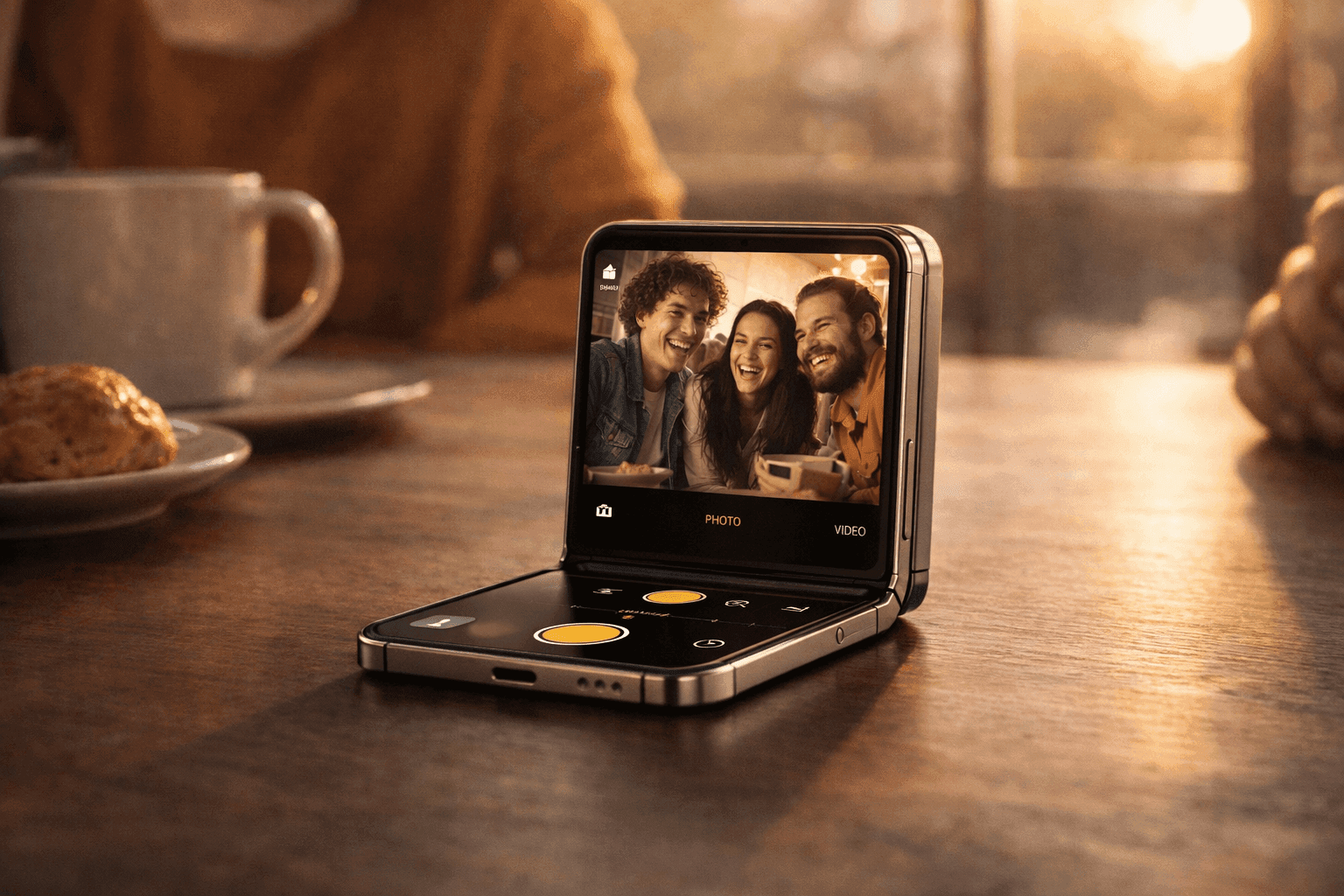
The design is reportedly a clamshell style, similar to the Samsung Galaxy Z Flip series. But Apple being Apple, they have found ways to improve almost every pain point. When closed, the phone is roughly the size of a thick credit card, small enough to fit in that tiny jeans pocket you never use.
When opened, it reveals a continuous 7.2-inch OLED display with virtually no crease. That is the big headline. Apple has patented a self-healing display hinge that uses heat and pressure to smooth out the fold mark over time. The frame is made from a new stainless steel alloy with a liquid metal hinge that feels solid, not wobbly.
Camera Is Getting Smarter
The camera system on the foldable iPhone takes advantage of the unique form factor in ways slab phones cannot. There will be a dual-lens setup on the back, a 48MP main sensor and a 12MP ultra-wide. But here is the clever part. When the phone is half-folded, it acts as its own tripod for group photos, long exposures, or video calls.
The AI photography engine recognizes when the phone is in "tent mode" and automatically adjusts stabilization and framing. Low light performance is getting a boost from a new image signal processor that works with the foldable display's unique lighting. And because you can use the main cameras as selfie cameras when the phone is folded shut, expect dramatically better front-facing photos than any current iPhone.
Apple Is Going All-In on AI

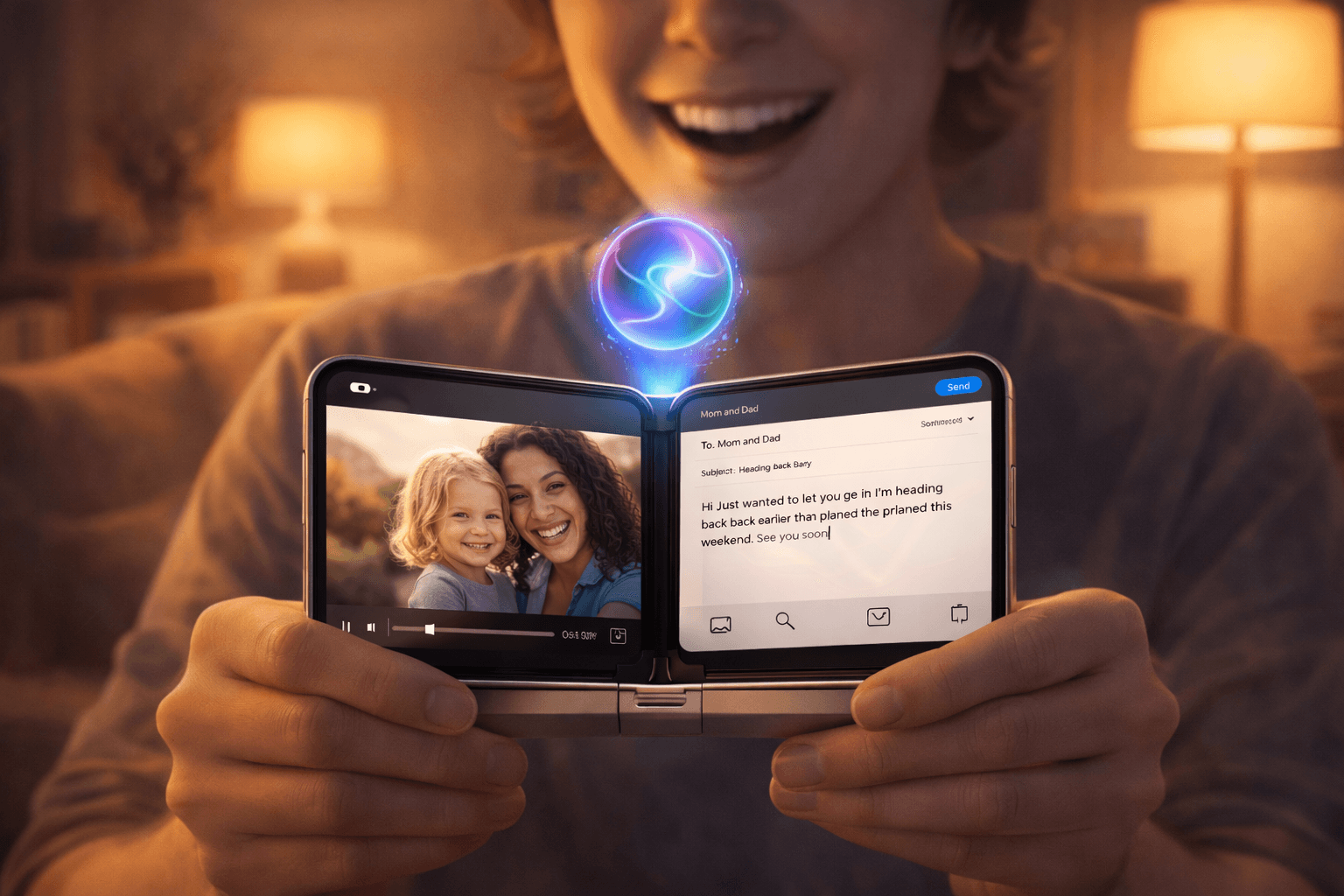
Here the foldable iPhone truly separates itself. The larger foldable screen paired with on-device AI creates entirely new ways to work and play. As like unfolding your phone and having Siri automatically arrange your most used apps side by side based on what you were just doing on your Mac. Or using AI editing features where you drag a photo from one half of the screen to the other, and the phone intelligently removes the background and suggests a new one.
The AI will also learn your folding habits. If you always open the phone for morning news and keep it closed during meetings, it will proactively queue up content accordingly. Smarter Siri is a given here, but the real magic is in multitasking. You will be able to have a video playing on the top half while replying to an email on the bottom, and the AI will automatically pause the video when you start typing and resume when you stop.
Performance, Battery, and the Hinge
The foldable iPhone will almost certainly use the A19 Pro or A20 chip, depending on the final release date. But it's hard to stuff a massive battery into a folding phone, so Apple has developed a dual-cell battery that splits across both halves of the device.
Combined with the 2-nanometer chip's efficiency, we are looking at all-day battery life even with that big 7.2-inch screen. The neural engine is optimized for the foldable display's variable refresh rate, which can drop to 1Hz on the cover screen and ramp to 120Hz when opened. The chip sits in the thicker hinge area, so the phone stays cool even during extended use.
Release Date and Pricing Expectations
The current timeline from supply chain analysts points to a late 2026 or early 2027 launch. Apple is taking its time to nail the hinge durability and display crease. Mass production of the foldable OLED panels is reportedly set for Q3 2026, which means an announcement around October or November of that year.
Expect a starting price of $1,499 to $1,699 which is significantly more than the iPhone 17 Pro Max. That puts it in line with Samsung's Galaxy Z Fold series. There will likely be only one model at launch, with higher storage tiers pushing past $2,000.
Read more
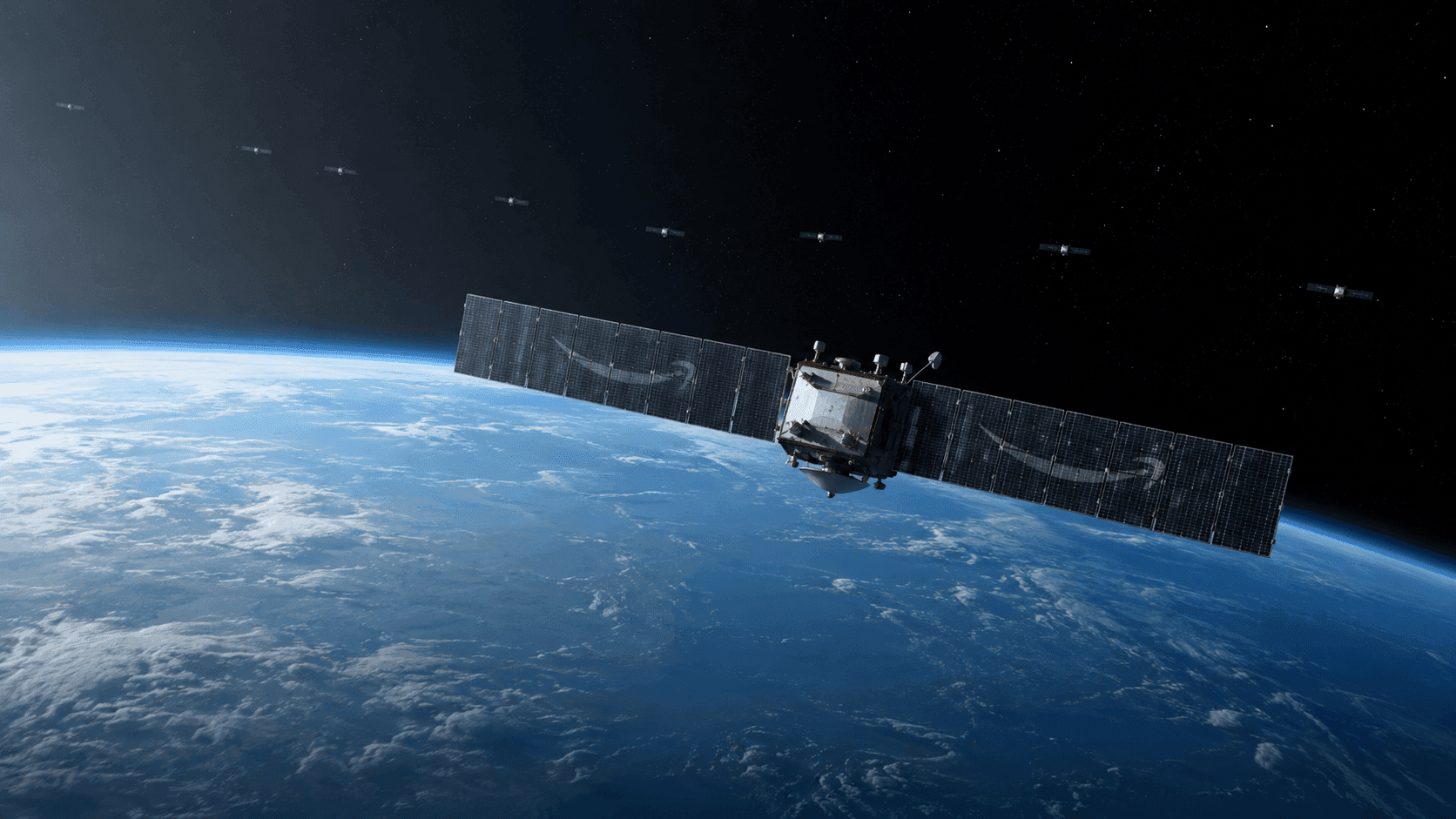
Amazon Acquires Globalstar for $11 Billion, Inherits Apple’s 20% Stake
Amazon finalizes an $11 billion acquisition of satellite operator Globalstar, taking over Apple’s 20% ownership. The deal fuels Amazon Leo, a new low‑latency broadband network, while preserving Apple’s emergency SOS services.
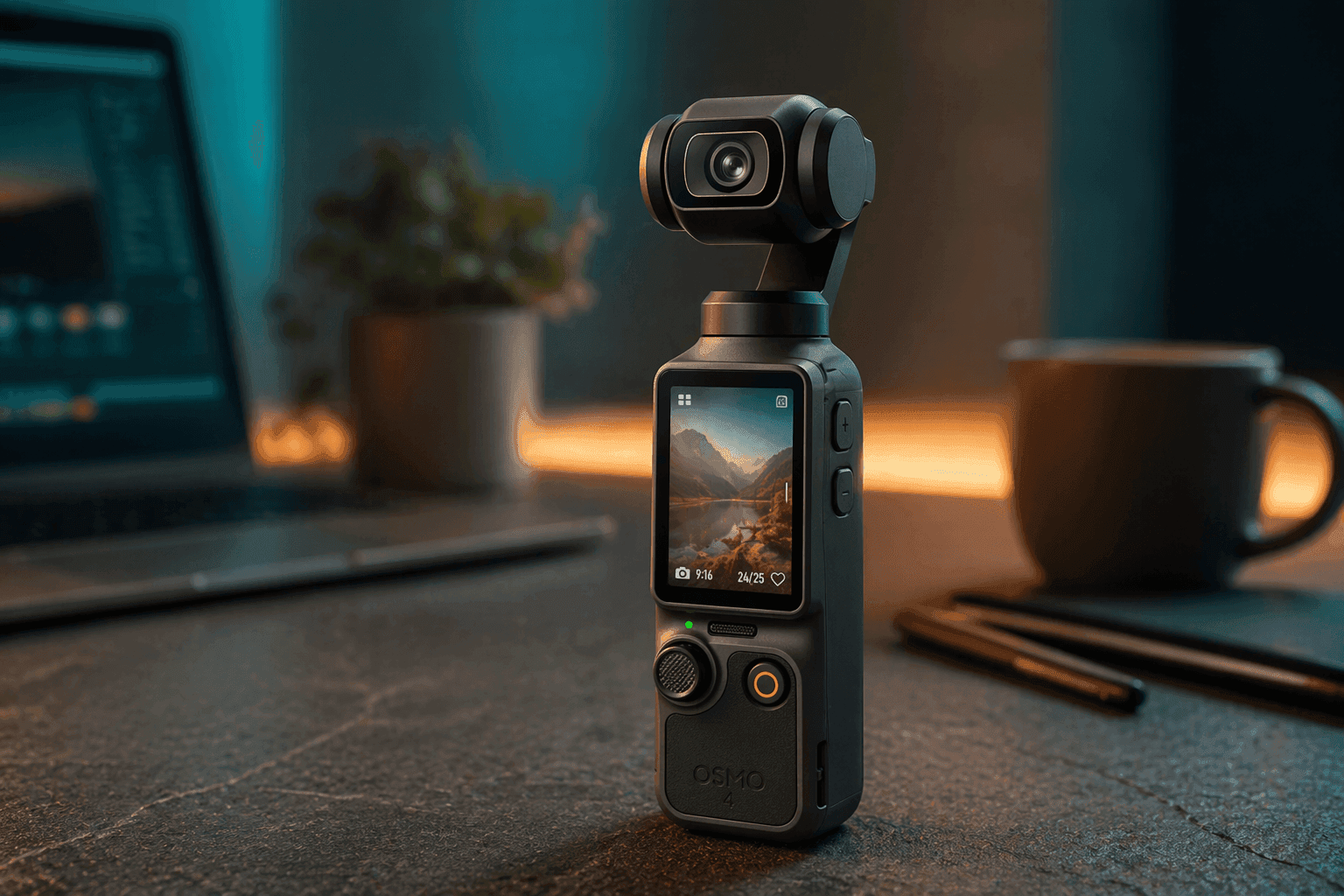
DJI Osmo Pocket 4 Review 2026 - The Best Gimbal Camera for Solo Creators
DJI Osmo Pocket 4 review: 4K 240fps, 107GB built‑in storage, 14 stops dynamic range, and Active Track 7.0. See if it beats Pocket 3 for solo creators.

Apple Intelligence vs. Samsung Galaxy AI: The 2026 Battle for User Privacy
As smartphone AI becomes more personal, the stakes for data security have never been higher. This deep-dive compares Apple's "Private Cloud Compute" with Samsung's "Hybrid AI" model, helping privacy-conscious users in the US and Europe choose their next secure companion.