
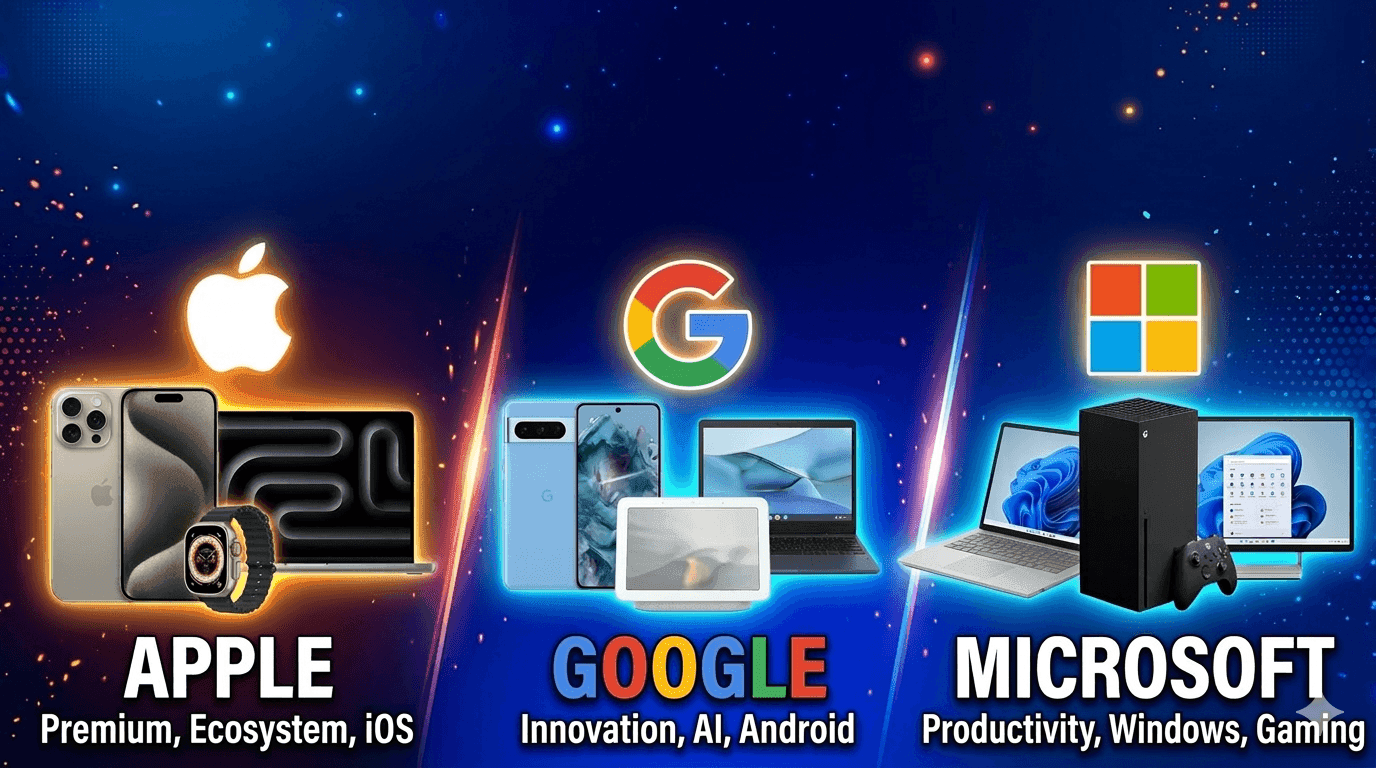
There was a time when technology giants vied for supremacy through smartphones, operating system, and cloud services. However, a new frontier has emerged: the race for AI Agents and Intelligent systems. These sophisticated tools have become the premier medium for delivering services through seamless, conversational user experiences.
Industry leaders like Apple, Google, and Microsoft are now investing billions of dollars to dominate this evolving landscape.
Their goal is simple:
Control the AI assistant, and you control the future interface of computing.
But why are these companies competing so aggressively in this area?
The Evolution of Digital Assistants
Digital assistants first appeared in consumer technology more than ten years ago. Early tools such as Siri, Google Assistant, and Cortana introduced voice commands that allowed users to perform simple actions.
Typical tasks included:
- setting reminders
- checking the weather
- sending messages
- controlling smart devices
However, the development of large language models (LLMs) has dramatically expanded what AI assistants can do.
Modern AI assistants can now:
- summarize documents
- generate emails and reports
- analyze spreadsheets
- write and review code
- automate complex workflows
These capabilities are transforming AI assistants into powerful productivity tools.
Why AI Assistants Matter So Much
AI assistants are quickly becoming a new interface layer for computing.
Traditionally, users interacted with software by navigating applications, menus, and tools. AI assistants change this interaction model entirely.
Instead of manually performing tasks, users can simply request them.
| Traditional Computing | AI Assistant Computing |
|---|---|
| Open multiple apps | Ask the assistant |
| Search for information | AI summarizes results |
| Perform tasks manually | AI automates workflows |
This shift has enormous implications for how software will be used in the future.
Apple's Strategy: Deep Ecosystem Integration
Apple focuses heavily on hardware and software integration.
Rather than positioning its AI assistant as a standalone chatbot, Apple aims to embed intelligence across its entire ecosystem, including:
- iPhone
- iPad
- Mac
- Apple Watch
- smart home devices
Apple's approach prioritizes:
- strong privacy protections
- on-device AI processing
- seamless device integration
This strategy aligns with Apple's long-standing philosophy of controlling both the hardware and software experience.
Google's Strategy: AI + Search Power
Google has a major advantage in the AI assistant race: massive data and search infrastructure.
For decades, Google has built systems designed to understand and organize global information. Now it is combining that expertise with advanced AI models.
Google’s focus includes:
- AI-powered search experiences
- conversational interfaces
- deep integration with services like Gmail, Docs, and Maps
The company aims to transform search engines into interactive AI knowledge systems.
Microsoft's Strategy: Productivity AI
Microsoft is focusing on integrating AI directly into the tools used by professionals.
Its AI systems are being embedded into widely used productivity software, including:
- Word
- Excel
- Outlook
- Teams
- PowerPoint
These AI assistants can:
- summarize meetings
- draft documents
- analyze business data
- generate presentations
Microsoft's goal is to make AI a daily productivity partner for professionals and organizations.
The Real Prize: Controlling the Interface of Computing
The real competition between Apple, Google, and Microsoft is not simply about better AI models.
It is about who controls the main interface between humans and computers.
| Company | AI Assistant Focus |
|---|---|
| Apple | Ecosystem and device integration |
| AI-powered search and knowledge | |
| Microsoft | Productivity and workplace AI |
Just as mobile operating systems once defined the smartphone era, AI assistants could define the next generation of computing platforms.
The Big 3: Challenges for AI Assistants
AI is moving fast, but three main hurdles stand in the way of its full potential:
-
Accuracy: AI still "hallucinates" or gives confident, incorrect answers. For it to be truly useful, it needs to be consistently reliable.
-
Privacy: Users are hesitant to share personal details. Building trust through better data security is a top priority.
-
Integration: Making AI talk to all your different apps and devices is technically messy. It needs to be more "plug-and-play."
Overcoming these obstacles is the key to making AI a seamless part of our daily lives.
The Future of AI Assistants
Experts believe that AI assistants will evolve into autonomous digital agents capable of handling increasingly complex tasks.
Future assistants may be able to:
- manage personal schedules automatically
- coordinate across multiple applications
- conduct research and analysis
- automate entire workflows
Rather than simply answering questions, these systems could become digital collaborators that help users accomplish meaningful work.
This race is about more than building better chatbots. It is about defining how humans will interact with computers in the future.
The company that successfully builds the most useful and trusted AI assistant may shape the next era of digital technology.
Read more
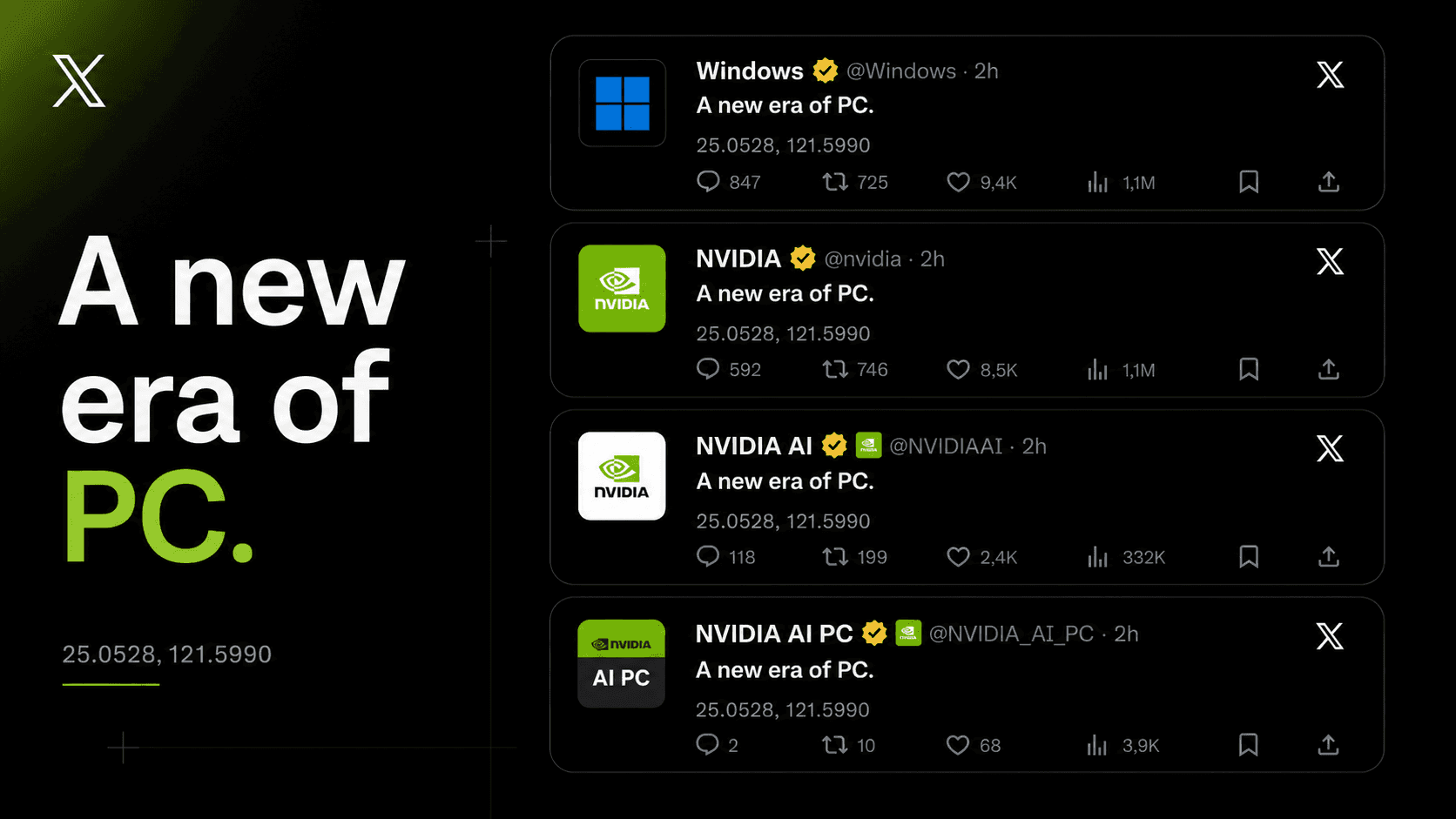
A New Era of PC! Why Microsoft and NVIDIA Are Posting the Same Mysterious Message
Microsoft and NVIDIA have sparked speculation with their mysterious “A New Era of PC” posts featuring Taipei coordinates. Explore what this could mean for AI-powered Windows PCs, next-generation NVIDIA hardware, and the future of personal computing.
AI Developments in the Last 48 Hours: Agents, LLMs, and What You Missed
OpenAI, Google, Microsoft, and xAI all dropped major agent updates. Catch up on autonomous systems, coding models, and what’s next in 5 minutes.

Elon Musk’s Terafab: $25B AI Chip Factory That Could Beat TSMC
Elon Musk’s $25B Terafab aims to produce 1 terawatt of AI computing power yearly and put 80% of its chips in space. Will it beat TSMC and change computing forever?